
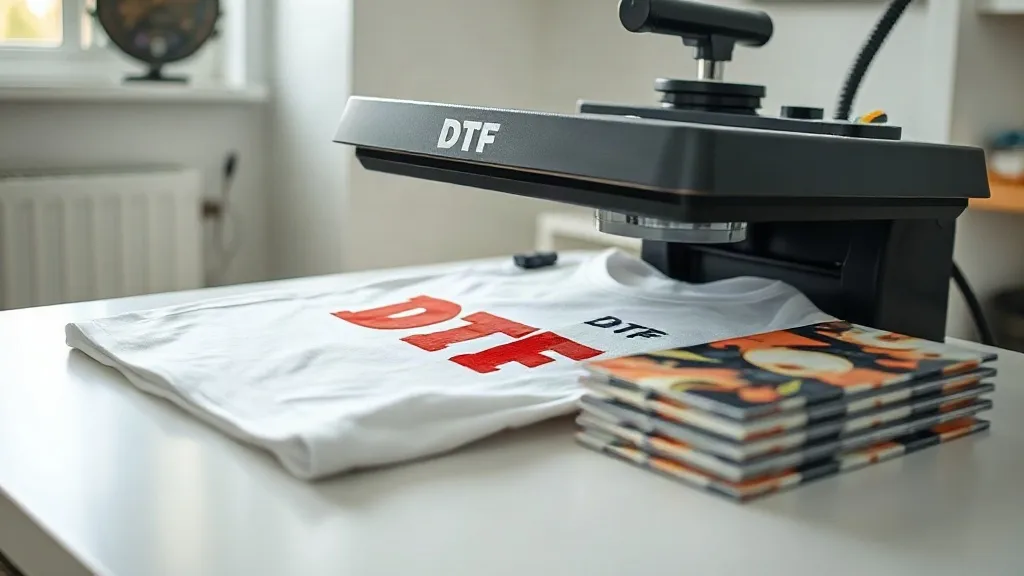
If you've been exploring custom apparel printing, you've likely heard about dtf transfers. This technology has exploded in popularity, and for good reason. Unlike traditional methods that require expensive equipment and messy chemicals, DTF (Direct to Film) printing offers a streamlined, cost-effective way to produce vibrant, durable designs on almost any fabric. Whether you're a small business owner, a hobbyist, or just curious about the latest printing trend, this guide will walk you through the essentials of DTF transfers and how to make them work for you.
What Are DTF Transfers?
DTF transfers are printed designs on a special film that can be heat-pressed onto fabrics. The process involves printing your artwork onto a PET film using specialized DTF inks, then applying a powdered adhesive (hot melt powder) to the wet ink. After curing, the transfer is ready to be pressed onto a garment. The result is a soft, stretchable, and highly durable print that adheres to cotton, polyester, blends, and even some non-textile materials.
The DTF Printing Process Explained
Here's a quick breakdown of how dtf printing works:
- Design Preparation: Your artwork is prepared digitally, ensuring colors are vibrant and details are sharp.
- Printing: The design is printed onto a DTF film using a DTF printer with pigment inks.
- Powder Application: While the ink is still wet, hot melt powder is applied evenly over the design.
- Curing: The film is heated to melt the powder, creating a adhesive layer.
- Pressing: The transfer is placed on the fabric and pressed with a heat press to bond permanently.
Each step is crucial for a successful transfer, but with practice, the process becomes second nature.
Why Choose DTF Transfers?
There are several reasons why DTF transfers have become a go-to for many in the custom apparel industry.
Versatility Across Fabrics
One of the biggest advantages of DTF transfers is their ability to adhere to a wide range of materials. Unlike vinyl or screen printing, which can be finicky on certain fabrics, DTF works beautifully on cotton, polyester, nylon, and even leather. This makes it ideal for printing on t-shirts, hoodies, tote bags, and more.
Vibrant Colors and Fine Details
DTF printing excels at reproducing complex designs with gradients, photographs, and fine lines. The pigment inks used in DTF printers produce rich, saturated colors that pop on both light and dark garments. You don't have to worry about color limitations or needing multiple screens.
Cost-Effective for Small Batches
Setting up screen printing for a small order can be expensive due to screen creation and setup costs. DTF transfers, on the other hand, require no minimum order quantity. You can print one-off designs or small batches without breaking the bank. This is perfect for small businesses, personalized gifts, or testing new designs.
Durability and Washability
When applied correctly, DTF transfers are incredibly durable. They resist cracking, peeling, and fading even after multiple washes. The key is proper application and following care instructions. We'll cover that later.
DTF Transfers vs. Other Printing Methods
To appreciate DTF, it helps to see how it stacks up against other common printing techniques.
DTF vs. Screen Printing
Screen printing is cost-effective for large orders but requires setup and is limited to certain fabrics. DTF shines for small batches and complex designs. It also eliminates the need for color separation and screen cleaning.
DTF vs. Vinyl
Vinyl is great for simple designs but can be bulky and less breathable. DTF transfers are thinner, softer, and can handle intricate details that vinyl cannot.
DTF vs. DTG
Direct-to-Garment (DTG) printing is another popular method, but it requires pre-treatment and works best on 100% cotton. DTF is more versatile and often produces more vibrant colors on dark shirts.
How to Apply DTF Transfers Like a Pro
Getting a perfect DTF transfer requires attention to detail. Here's a step-by-step guide to ensure your prints come out flawless.
Tools You'll Need
- Heat press (or iron with caution)
- DTF transfer film
- Garment
- Heat-resistant tape (optional)
- Parchment paper or Teflon sheet
Step-by-Step Application
- Preheat the Press: Set your heat press to 325°F (160°C) for cotton or 300°F (150°C) for polyester. Preheat for a few seconds to ensure even temperature.
- Prepress the Garment: Place the garment on the press and press for 5-10 seconds to remove wrinkles and moisture.
- Position the Transfer: Place the DTF transfer on the garment with the design facing up. Use heat-resistant tape to hold it in place if needed.
- Press: Cover with parchment paper or a Teflon sheet. Press with medium pressure for 15-20 seconds.
- Peel: Wait a few seconds for the transfer to cool slightly, then peel the film off smoothly. For a matte finish, peel while hot; for a glossy finish, peel when cold.
- Post-Press: Cover the design with parchment paper and press again for 5-10 seconds to ensure the adhesive fully bonds.
Practice on scrap fabric first to dial in your press settings.
Common Mistakes to Avoid
Even seasoned pros can run into issues. Here are some pitfalls to watch out for:
- Insufficient Pressure: Too little pressure results in poor adhesion. Make sure your press is properly calibrated.
- Uneven Heat: Cold spots on the platen can cause patchy transfers. Preheat the press and use a heat gun to check for even temperature.
- Peeling Too Early or Too Late: Follow the recommended peel timing for your film type.
- Ignoring Fabric Type: Different fabrics require different temperature and pressure settings. Always test first.
Where to Find DTF Transfers Near You
If you're not ready to invest in a DTF printer, you can order pre-printed transfers from specialized suppliers. When searching for dtf transfers near me, look for reputable companies that offer high-quality prints and fast turnaround. Many online services allow you to upload your design and receive ready-to-press transfers. This is a great way to get started without the upfront equipment cost.
Caring for Your DTF Prints
To ensure your DTF transfers last, follow these care instructions:
- Wait at least 24 hours after pressing before washing.
- Turn the garment inside out before washing.
- Use cold water and mild detergent.
- Avoid bleach and fabric softeners.
- Tumble dry on low or hang dry.
- Iron inside out, avoiding the printed area.
With proper care, your DTF prints will stay vibrant for years.
Frequently Asked Questions
Can I use DTF transfers on dark colors?
Absolutely! DTF transfers include a white ink layer that allows them to show up brilliantly on dark fabrics. This is one of the key advantages over other methods.
How long do DTF transfers last?
With proper application and care, DTF transfers can last as long as the garment itself, often 50+ washes without significant fading or cracking.
Do I need a special printer for DTF?
Yes, DTF printing requires a DTF printer and special ink. However, you can purchase pre-printed transfers from suppliers if you don't want to invest in equipment.
Can I stretch the fabric after applying a DTF transfer?
DTF transfers are flexible and can stretch with the fabric, making them suitable for performance wear and stretchy materials.
What's the difference between DTF and DTG?
DTF uses a film transfer, while DTG prints directly onto the garment. DTF is more versatile across fabrics, while DTG is limited mainly to cotton.
Final Thoughts
DTF transfers are a game-changer for anyone in the custom apparel business. They offer versatility, durability, and vibrant colors without the hassle of traditional methods. Whether you're printing for personal use or running a business, mastering DTF can open up a world of creative possibilities. Remember to practice, follow the guidelines, and source quality supplies. Happy printing!