
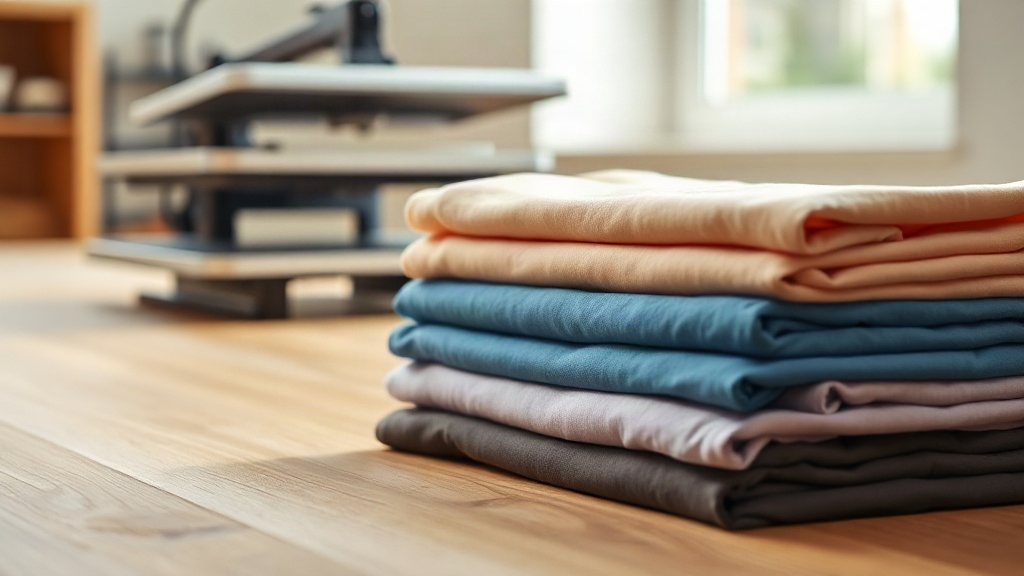
When you pull a freshly pressed shirt off the heat press, the last thing you want is a design that cracks after one wash or colors that look muted from the start. The difference between a print that pops and one that flops often comes down to the blank you choose. That's where smart blanks enter the picture. These aren't just any tees; they're engineered with fabrics and finishes that work in harmony with DTF transfers, giving you consistent, professional results every time. And if you've been searching for a reliable brand that checks all the boxes, Shaka Wear has quietly become a favorite among decorators who refuse to compromise.
What Makes a Blank Smart?
A smart blank is more than a catchy term. It's a garment that has been designed with decoration in mind. That means a tight, even weave, minimal shrinkage, and a surface that accepts adhesive powders and films without fighting back. Many standard tees are made for retail shelves, not for heat presses. They might have softeners, silicone finishes, or inconsistent thread counts that cause DTF transfers to adhere unevenly or wash out prematurely.
Smart blanks, on the other hand, are typically 100% cotton or a high-cotton blend with a smooth, consistent face. They hold their shape after repeated laundering, which keeps the print from distorting. When you pair them with quality DTF transfers, the result is a vibrant, stretchable image that moves with the fabric instead of cracking along the edges.
Key Traits to Look For
- Fabric content: 100% ring-spun cotton or a cotton/poly blend with at least 50% cotton for good adhesion.
- Weight: 5.0 to 6.0 oz per square yard offers a substantial feel without being too heavy for summer wear.
- Finish: No silicone softeners or stain-repellent coatings, which can block the adhesive.
- Consistency: Batch-to-batch uniformity in size, color, and hand feel.
These traits might sound technical, but they translate directly to fewer rejects, happier customers, and a reputation for quality that keeps people coming back.
Why Shaka Wear Stands Out as a Smart Blank
Shaka Wear has built a following among screen printers, DTF enthusiasts, and streetwear brands for good reason. Their tees are cut from heavyweight cotton, usually around 6.0 oz, with a boxy, modern fit that appeals to today's buyers. The fabric is tightly knit, which means less texture for the DTF transfers to sink into. That translates to sharper details, brighter whites, and deeper blacks.
But it's not just about the fabric. Shaka Wear blanks are pre-shrunk, so the size you order is the size you get after washing. That's a big deal when you're printing a run of 50 shirts for a client who expects every piece to fit the same. The consistent dyeing also means that your DTF transfers will look the same on every shirt, whether you're pressing a single sample or a full batch.
Real-World Performance
I've pressed DTF transfers onto dozens of blank brands, and Shaka Wear consistently ranks at the top for adhesion and wash durability. The prints survive 50+ washes without cracking or fading when applied correctly. The key is to follow the transfer instructions precisely: 325°F for 15 seconds with medium pressure, then peel cold. Because Shaka Wear's cotton is so smooth, the transfer film releases cleanly, leaving a soft, flexible print that doesn't feel like a plastic patch.
Another advantage: Shaka Wear offers a wide range of colors, from classic white and black to heathers and neons. That palette gives you room to get creative with DTF transfers that feature gradients, photographs, or fine lines. On a lesser blank, those details might get lost. On a smart blank like Shaka Wear, they shine.
Maximizing DTF Transfers on Smart Blanks
Even the best blank can't compensate for poor technique. Here are the practices that separate a professional result from a DIY disaster.
1. Prep the Garment Properly
Always pre-press the shirt for 5 to 7 seconds before applying the transfer. This removes moisture and wrinkles, creating a flat surface. Moisture is the enemy of DTF transfers; it turns to steam and can cause the adhesive to fail. For Shaka Wear tees, a quick pre-press also relaxes the fabric, ensuring the transfer sits flush.
2. Dial In Your Heat Press Settings
Temperature, pressure, and time are a three-legged stool. For most DTF transfers, 325°F for 15 seconds with medium pressure works well. But every press is different. Use a heat gun or infrared thermometer to verify the platen temperature. Too hot, and the adhesive can burn; too cool, and it won't fully activate. Shaka Wear's dense cotton benefits from consistent pressure across the entire platen, so make sure your press is calibrated.
3. Peel with Care
Cold peel is standard for DTF transfers. Let the shirt cool completely before removing the film. If you peel while hot, the ink can stretch or pull away from the adhesive. Patience here pays off in a smooth, edge-to-edge finish.
4. Post-Press for Extra Durability
After peeling, give the print a second press for 5 to 10 seconds with a cover sheet or parchment paper. This step re-melts the adhesive and pushes it deeper into the fabric fibers. On Shaka Wear blanks, this extra press makes the print virtually permanent.
Common Pitfalls and How to Avoid Them
Even seasoned decorators run into issues. Here are the most frequent problems and their solutions.
- Print peeling after wash: Usually caused by insufficient pressure or moisture in the garment. Pre-press longer and increase pressure slightly.
- Dull colors: Often a sign of under-temp or too-short dwell time. Verify your press temperature and extend to 18 seconds if needed.
- Cracking along edges: This happens when the transfer is stretched during application. Let the shirt cool before handling, and avoid over-stretching when loading.
- Adhesive residue on the film: If you see white powder left on the film after peeling, the transfer didn't fully adhere. Increase pressure or time.
Choosing a smart blank like Shaka Wear eliminates many of these variables because the fabric is consistent. You're not fighting the garment; you're working with it.
Where to Source Smart Blanks and DTF Transfers
You can find Shaka Wear blanks at various wholesale distributors, but quality and availability can vary. For DTF transfers, you want a supplier who uses high-quality inks and films, and who provides clear instructions. That's where DTF Print Fast comes in. They offer a range of DTF transfers that are compatible with smart blanks, along with expert support to help you get the best results. Whether you're printing a few shirts for a local band or scaling up for a retail line, starting with the right materials saves time and money.
Frequently Asked Questions
What exactly are smart blanks?
Smart blanks are garments specifically designed for decoration. They have a smooth, even surface, minimal shrinkage, and no finishes that interfere with adhesives. This makes them ideal for DTF transfers and other heat-applied graphics.
Can I use DTF transfers on Shaka Wear 100% cotton tees?
Absolutely. Shaka Wear tees are excellent for DTF transfers because their tight knit and pre-shrunk cotton provide a stable, smooth surface. Just follow the recommended heat press settings for best results.
How do I prevent DTF prints from cracking on Shaka Wear shirts?
Use proper pressure (medium to firm), ensure the garment is completely dry before pressing, and allow the transfer to cool completely before peeling. A post-press with a cover sheet also helps the adhesive bond more deeply.
Are smart blanks more expensive than regular blanks?
They can be slightly pricier, but the reduced waste and higher customer satisfaction often outweigh the upfront cost. Shaka Wear offers a great balance of quality and affordability.
What’s the best way to wash DTF-printed Shaka Wear shirts?
Turn the shirt inside out and machine wash cold. Tumble dry low or hang dry. Avoid fabric softeners and bleach, which can degrade the adhesive over time. With proper care, your print will last for years.