
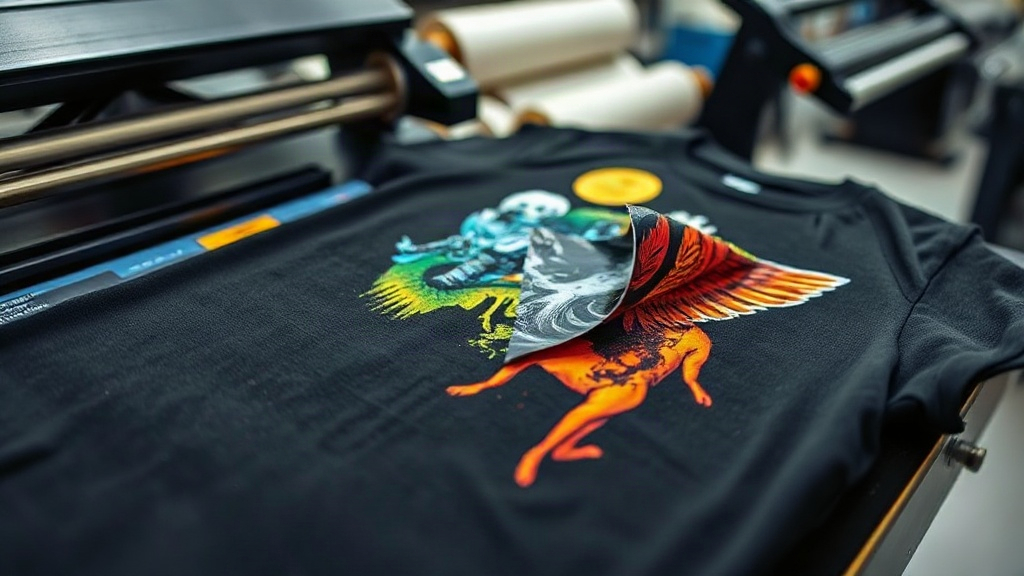
When you need custom apparel that pops with color and stands up to wear, DTF Transfers have become a game-changer for creators and businesses alike. Unlike traditional methods that limit your fabric choices or fade after a few washes, DTF transfers deliver photo-realistic detail on cotton, polyester, blends, and even tough-to-print materials like canvas and denim. In this guide, I'll walk you through everything you need to know about DTF transfers, from how they work to pro tips for flawless results. Whether you're a seasoned screen printer or just starting a print-on-demand shop, understanding DTF technology can open up new creative and revenue opportunities.
What Are DTF Transfers?
DTF stands for Direct-to-Film. It's a printing method where your design is printed onto a special PET film using water-based pigment inks, then coated with a hot-melt adhesive powder. Once the powder is cured, the transfer is ready to be applied to fabric using a heat press. The film is peeled away after pressing, leaving a soft, stretchable print that bonds permanently to the garment.
What sets DTF apart from DTG (Direct-to-Garment) or screen printing is its versatility. You can print on almost any fabric color and type without needing pre-treatment or special inks. That means you can produce a single sample or a full run of shirts without expensive setup costs.
How DTF Transfers Work: Step by Step
Understanding the process helps you troubleshoot issues and get consistent results. Here's a breakdown of the DTF workflow:
- Design Preparation: Create your artwork in a graphics program. Mirror the image horizontally before printing, because the transfer will be flipped when pressed.
- Printing: Load the PET film into a DTF printer. The printer lays down a layer of white ink (for opacity) followed by CMYK colors. Some printers also use a adhesive layer.
- Powder Application: While the ink is still wet, the film passes through a powder shaker that coats it with hot-melt adhesive powder. Excess powder is removed.
- Curing: The film goes through a curing oven or under a heat source to melt the powder, creating a dry, tacky surface.
- Transfer: Place the film on the garment and press with a heat press at around 300-325°F for 10-15 seconds. Peel the film off either hot or cold, depending on the film type.
Each step requires attention to detail, but once dialed in, DTF is remarkably forgiving and produces professional-grade results.
Why DTF Transfers Are Revolutionizing Custom Apparel
The rise of DTF isn't just hype. It solves several pain points that have plagued apparel decorators for years.
Unmatched Versatility
You can apply DTF transfers to cotton, polyester, nylon, leather, and even treated wood. No need to switch inks or methods based on fabric. This makes it perfect for printing on diverse items like tote bags, hoodies, and performance wear.
Vibrant, Durable Prints
DTF prints boast high opacity and color vibrancy because of the white ink base. They also stretch with the fabric without cracking, thanks to the elastic adhesive. With proper care, a DTF print can outlast the garment itself.
Cost-Effective for Short Runs
Unlike screen printing, which requires separate screens for each color, DTF has no setup fees. You can print one-off designs or small batches economically, making it ideal for personalized gifts, samples, or limited editions.
Eco-Friendly Options
Many DTF inks are water-based and OEKO-TEX certified, meaning they're free from harmful chemicals. The film is recyclable, and the process uses less water than traditional dyeing methods.
DTF vs. Other Printing Methods
How does DTF stack up against DTG, screen printing, and vinyl? Here's a quick comparison:
- DTG: Best for 100% cotton, but requires pre-treatment and can struggle with polyester. DTF works on more fabrics and often has better wash durability.
- Screen Printing: Cheaper for large orders, but costly for small runs and limited to simpler designs. DTF excels at complex, multi-color artwork.
- Heat Transfer Vinyl (HTV): Good for simple shapes and text, but layering multiple colors is time-consuming. DTF handles intricate details in one press.
For businesses offering both small and large orders, DTF provides a flexible middle ground that keeps customers happy.
Choosing the Right DTF Supplies
Not all DTF films and powders are created equal. The quality of your supplies directly impacts the final print. Here's what to look for:
PET Film
Choose a film that's compatible with your printer and offers good ink receptivity. Double-sided matte film is popular because it prevents sticking and allows for easy powder application. Thickness matters: thinner films (75-100 microns) feel softer on the garment.
DTF Ink
Water-based pigment inks are standard. Look for inks that are vibrant, have good wash fastness, and won't clog your printhead. Some brands offer fluorescent or metallic inks for special effects.
Adhesive Powder
Thermoplastic polyurethane (TPU) powder is the go-to. It melts at low temperatures and bonds strongly to fabric. Particle size affects the feel: finer powder (80-200 microns) gives a softer hand.
Heat Press
A reliable heat press with even pressure and accurate temperature control is essential. You don't need a top-of-the-line model, but avoid cheap presses that fluctuate in temperature.
Expert Tips for Flawless DTF Transfers
After years of working with DTF, I've picked up a few tricks that make a big difference:
- Control moisture: Humidity can affect powder adhesion. Store film and powder in a dry place, and consider a dehumidifier in your workspace.
- Preheat the garment: A quick 5-second press removes wrinkles and moisture, ensuring better adhesion.
- Test peel temperature: Some films require hot peel, others cold. Always follow the manufacturer's recommendation, and do a test press.
- Use parchment paper: When pressing, place a sheet of parchment or Teflon over the transfer to protect your heat press and prevent ink from sticking.
- Wash inside out: Advise customers to wash garments inside out in cold water and tumble dry low to extend print life.
Common DTF Problems and How to Fix Them
Even with experience, issues can arise. Here are solutions to frequent DTF challenges:
Print Cracking After Wash
This usually means under-curing or insufficient pressure. Increase curing time or temperature slightly, and ensure your heat press applies even pressure across the entire design.
Powder Not Sticking
If powder doesn't adhere to the ink, the ink may be too dry. Check that you're applying powder immediately after printing while the ink is wet. Also, verify the powder isn't expired or clumpy.
Dull Colors
Dull prints can result from low ink saturation or incorrect color profiles. Calibrate your printer and use ICC profiles provided by your ink manufacturer. Also, ensure the white ink layer is thick enough to make colors pop.
Applications of DTF Transfers
DTF isn't just for t-shirts. Its versatility opens doors to many products:
- Sportswear: Jerseys, leggings, and jackets benefit from DTF's stretchability.
- Denim: DTF adheres well to denim, allowing for detailed designs on jeans and jackets.
- Accessories: Tote bags, hats, and even shoes can be decorated with DTF.
- Home Decor: Custom pillows, blankets, and curtains can feature DTF prints.
The possibilities are limited only by your imagination.
Frequently Asked Questions About DTF Transfers
How long do DTF transfers last?
With proper application and care, DTF transfers can last 50+ washes without fading or cracking. The key is following the correct heat press settings and advising customers on gentle washing.
Can I use DTF on 100% polyester?
Yes, DTF works excellently on polyester, unlike DTG which can have adhesion issues. The low-temperature adhesive prevents the polyester from scorching.
Do I need a special printer for DTF?
You can convert an existing DTG or eco-solvent printer to DTF with a DTF ink system and powder shaker. However, dedicated DTF printers are available and often yield better results.
Is DTF transfers cost-effective for small businesses?
Absolutely. With no minimum order and low setup costs, DTF is ideal for small businesses, especially those offering personalized products or print-on-demand.
What fabrics can I use with DTF?
DTF adheres to cotton, polyester, blends, nylon, leather, and more. It's one of the most versatile decoration methods available.
DTF transfers have transformed the custom apparel industry by making high-quality, durable prints accessible to everyone. Whether you're a hobbyist or a large-scale producer, embracing DTF technology can set your business apart. At dtfprintfast.com, we provide top-tier DTF supplies and support to help you succeed. Explore our range and start creating today.