
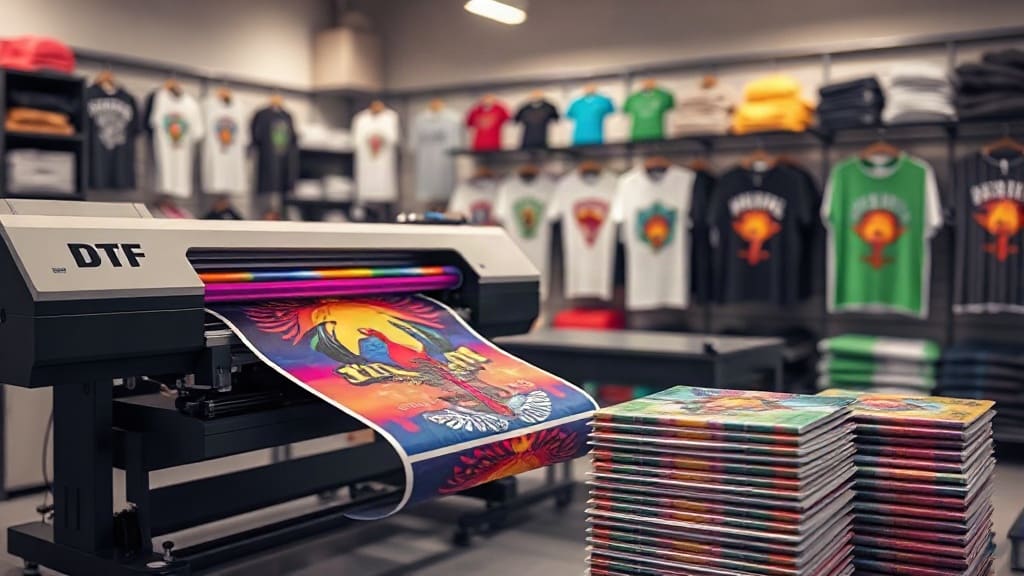
If you're in the custom apparel business or just starting a print-on-demand side hustle, you've probably heard about DTF printing. But finding reliable DTF transfers in your area can be tricky. You might wonder: Are local providers better than online ones? How do I know if they're quality? And what exactly should I look for when searching for DTF transfers near me? In this guide, I'll walk you through everything you need to know, based on hands-on experience and insights from the industry.
DTF, which stands for Direct to Film, is a printing method that involves printing your design onto a special PET film, then applying adhesive powder and curing it. The result is a transfer that can be pressed onto various fabrics, including cotton, polyester, and blends. It's become a favorite among small businesses because it allows for vibrant colors, soft hand feel, and no weeding like vinyl. But the success of your final product heavily depends on the quality of the transfers you use.
Why Local DTF Transfers Matter
When you search for DTF transfers near me, you're not just looking for convenience. Local suppliers offer several advantages that can make a real difference in your workflow. For starters, you can physically inspect the products before buying. You can see the print quality, feel the film, and even do a test press. This kind of quality assurance is impossible when ordering from far away.
Another benefit is speed. Local providers often offer same-day or next-day pickup, which is a lifesaver when you have urgent orders. Shipping can take days and sometimes adds unexpected delays. Plus, when you buy locally, you reduce your carbon footprint and support your community's economy. That's something worth considering if sustainability is part of your brand.
But local isn't always perfect. Some local shops might have limited production capacity or only offer standard white film, not clear film. Others might not have the latest printing technology. That's why you need to do your homework. The goal is to find a provider that meets your quality standards and fits your budget, whether they're down the street or across the country.
How to Find DTF Transfers Near You
Let's dive into the practical steps. When you're ready to locate DTF transfers near me, start with a simple Google search. But don't stop at the first page of results. Here are some proven strategies:
1. Search Local Directories and Maps
Use Google Maps and Yelp to find print shops that offer DTF services. Search for terms like "DTF printing" or "custom transfers" plus your city name. Look for businesses that have positive reviews, clear photos of their work, and a professional website. A physical address is a good sign, but it's not mandatory since some operate from home studios.
2. Leverage Social Media and Online Communities
Facebook groups for print-on-demand or custom apparel are goldmines. Join groups specific to your region or industry. Ask for recommendations. Many small business owners are happy to share their experiences, both good and bad. Instagram is also useful; search hashtags like #DTFprinting, #DTFtransfers, and your city name.
3. Attend Local Trade Shows or Networking Events
If you have the opportunity, attend trade shows like the Specialty Graphic Imaging Association (SGIA) or local maker fairs. These events often feature printers and transfer suppliers. You can meet them face-to-face, see demos, and even get samples. Networking with other local business owners can also lead to valuable referrals.
What to Look for in a DTF Transfer Provider
Once you have a list of potential providers, it's time to evaluate them. Not all DTF transfers are created equal. Here are the key factors to consider:
Print Quality and Resolution
The first thing you'll notice is the print resolution. High-quality DTF prints have sharp details, vibrant colors, and smooth gradients. Ask for samples or look at their portfolio. A reliable provider should be transparent about their printheads and inks. Generally, 600 dpi or higher is good. Also, check if they offer white ink underbase, which is crucial for printing on dark garments.
Film and Adhesive Quality
The film used affects the transfer's durability and feel. There are two main types: white film and clear film. White film is cheaper but leaves a slight edge around the design. Clear film is more expensive but produces a 'no-edge' effect, making the transfer nearly invisible on dark shirts. Ask which film they use and if they offer both. The adhesive powder should be fine and evenly applied. Poor powder quality can lead to cracking or peeling after a few washes.
Turnaround Time and Consistency
How fast can they produce your order? Even if you're not in a rush, a provider that consistently delivers on time is a sign of reliability. Ask about their current workload and if they offer rush services. Consistency is key: you don't want your 100th shirt to look different from your 10th. Read reviews to see if customers complain about variation in quality.
Pricing and Minimum Orders
Compare prices among local providers. Keep in mind that the cheapest option isn't always the best. Look for transparent pricing, with no hidden fees. Some shops have a minimum order, which might be a problem if you only need a few transfers. Find out if they offer discounts for bulk orders. Also, ask about setup fees, if any, and whether they include color matching.
Customer Service and Communication
Good communication is essential. When you contact them, do they respond promptly? Are they willing to answer your questions or provide samples? A provider who values your business will go the extra mile. If they're abrupt or unhelpful during the inquiry stage, that's a bad sign for future interactions.
Equipment and Technology
Modern DTF printers use advanced technology like EPSON or Ricoh heads. Ask what equipment they use. While you don't need to know every detail, a provider that invests in up-to-date machinery is more likely to produce high-quality work. For instance, an integrated printer-powder shaker system is more consistent than manual powder application.
Comparing Local vs. Online DTF Transfer Providers
Sometimes, after thorough research, you might not find a suitable local provider. That's when you consider online options. But how do they compare? Online providers like DTF Print Fast offer the convenience of ordering from anywhere, often with lower prices due to scale. However, you can't physically check the product before buying. Shipping time and costs are also factors.
On the other hand, local providers give you the advantage of immediate pickup and personalized service. They might also be more flexible with custom requests. If you value speed and face-to-face relationships, local is the way to go. But if you're looking for a wide range of products and competitive pricing, online might be better.
In my experience, a hybrid approach works best. I use a local provider for urgent orders and small batches, while I rely on an online company for larger orders or specialty transfers. This way, I cover all bases. When searching for DTF transfers near me, remember that the best provider is one that aligns with your business needs.
Tips for Testing and Ensuring Quality
Once you've chosen a potential provider, it's crucial to do a test run. Don't commit to a large order right away. Here's a simple testing process:
- Order a small batch of transfers with different designs: solid colors, gradients, and fine details.
- Press them onto various fabrics: 100% cotton, polyester, and blends.
- Wash them multiple times following the care instructions.
- Check for color fading, cracking, peeling, or any distortion.
- Evaluate the hand feel: the transfer should be soft and flexible, not stiff or plasticky.
If the transfers pass your tests, you've likely found a reliable partner. Keep the samples for reference. Also, establish a relationship with your provider. Regular communication helps ensure consistent quality. If you ever notice a drop in quality, address it immediately.
Understanding the Cost of DTF Transfers
Pricing for DTF transfers varies widely. On average, you can expect to pay between $1.50 and $5.00 per transfer, depending on size, complexity, and quantity. Larger designs or those with multiple colors cost more. Some providers charge a flat rate per square foot, while others price per design. When you ask for quotes, make sure you get a detailed breakdown.
For local providers, you might have to pay sales tax, which is not always included in the listed price. Online providers might offer free shipping for orders over a certain amount, which can offset the cost. Always factor in the total cost, including any taxes and shipping, when comparing.
To save money, consider ordering in bulk. Many providers offer tiered pricing: the more you order, the lower the unit price. Also, design your artwork to minimize printing area, as smaller transfers cost less. And don't forget to ask about discounts for repeat customers or loyalty programs.
Common Mistakes to Avoid
Even experienced business owners make mistakes when sourcing DTF transfers. Here are some pitfalls to avoid:
- Choosing the cheapest option without checking quality. You'll waste money on represses and returns.
- Ignoring film type. White film might leave a visible edge, ruining your design on dark shirts.
- Not checking washability. Some low-quality transfers fade or crack after just a few washes.
- Overlooking the need for white underbase. If you print on dark colors, it's essential.
- Assuming all providers are the same. Research and test before committing.
- Forgetting to factor in shipping or pickup times. Delays can hurt your business.
By being aware of these, you'll make a more informed decision.
FAQs about DTF Transfers
What is the difference between DTF and DTG?
DTF (Direct to Film) involves printing on a PET film, then transferring the design to fabric using heat and pressure. DTG (Direct to Garment) prints directly onto the fabric, like a printer. DTF is more versatile because it works on many materials, including nylon and blends, and doesn't require pre-treatment like DTG.
Can I apply DTF transfers at home?
Yes, you can press DTF transfers with a heat press. You'll need a heat press that can reach at least 300°F (150°C) and apply 40-60 PSI. The process is straightforward: pre-press the garment, place the transfer, press for 10-15 seconds, and then peel hot or cold, depending on the film type.
How long do DTF transfers last?
When applied correctly, DTF transfers can last for many washes, typically over 50, without significant fading or cracking. Durability depends on the quality of the film, adhesive, and the washing conditions. Using mild detergent and washing inside out can extend the life.
Do DTF transfers work on dark shirts?
Yes, DTF is excellent for dark shirts because of the white ink underbase. This ensures that colors appear vibrant and opaque, just like screen printing. Make sure the provider includes a proper white underbase in the print.
What is the minimum order for DTF transfers?
It varies by provider. Some local shops have no minimum, allowing you to order even one transfer. Others might require a minimum of 10 or more, especially for bulk pricing. When searching for DTF transfers near me, ask about minimums to see if they meet your needs.
In conclusion, finding the right DTF transfers near me takes a bit of research, but it's worth the effort. You'll build a relationship with a provider who understands your business and delivers quality. Remember to evaluate providers based on quality, reliability, and service. Don't hesitate to test multiple options. With the right partner, you'll produce amazing custom apparel that your customers will love.