DTF transfers are taking the custom printing world by storm. If you've been looking for a way to print vibrant designs on various fabrics without the complexity of screen printing or the limitations of vinyl, you've likely encountered this term. But what exactly are they, and how can you use them effectively? In this comprehensive guide, we'll break down everything you need to know, from the basics to advanced tips, so you can start creating professional-quality custom apparel right away.
DTF, which stands for Direct to Film, is a printing method where a design is printed onto a special film, coated with adhesive powder, and then transferred onto fabric using heat. Unlike traditional heat transfer vinyl, DTF allows for full-color, detailed designs without the need for cutting or weeding. It's a game-changer for small businesses and hobbyists alike.
What Are DTF Transfers?
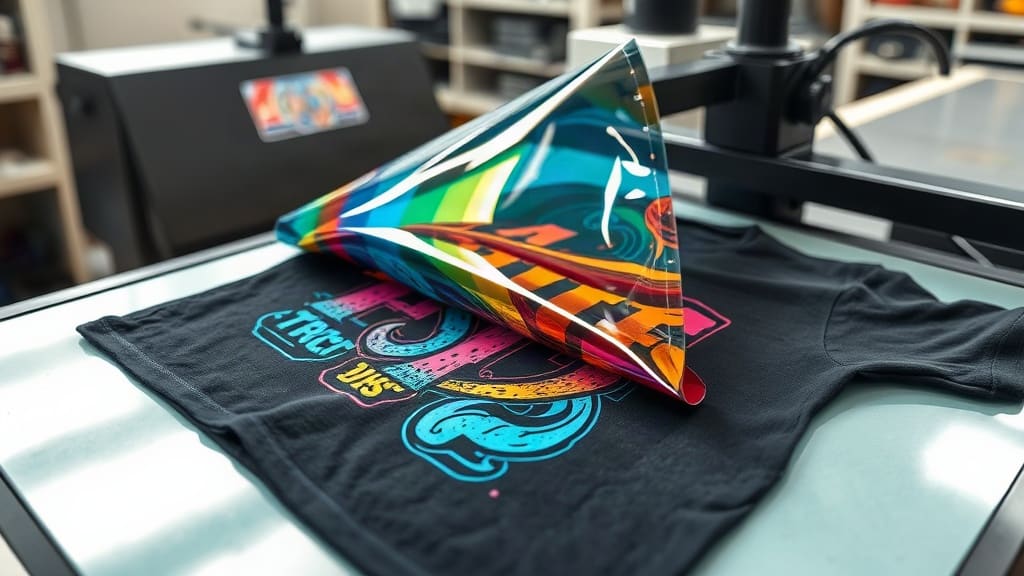
DTF transfers are essentially pre-printed designs on a film that you can apply to fabric with a heat press. The process involves printing your artwork onto a PET film using a special DTF printer and ink. After printing, a layer of adhesive powder is applied to the wet ink, and the film is dried or cured. When you're ready to apply, you place the film onto your garment and press it with heat. The adhesive melts, bonding the ink to the fabric, and after peeling away the film, you're left with a vibrant, durable design.
The DTF Process Step by Step
Here's a closer look at how DTF transfers are made and applied:
- Printing: Your design is printed in reverse onto a special PET film using a DTF printer. These printers use CMYK + White inks to ensure colors pop on dark fabrics.
- Adhesive Application: While the ink is still wet, a hot-melt adhesive powder is applied to the film. This powder sticks to the ink areas only.
- Curing: The film is then heated to cure the adhesive powder, making it ready for storage or shipping.
- Transfer: When you're ready to apply, place the film on your garment, press with a heat press at around 320°F (160°C) for about 10-15 seconds with medium pressure, and then peel the film off, either hot or cold depending on the film type.
Why Choose DTF Transfers?
There are many reasons why DTF has become so popular. Let's explore some of the key benefits:
Vibrant Colors and Fine Details
Because DTF uses white ink as a base, designs on dark fabrics are just as vibrant as on light ones. The print quality is high, capturing fine details and gradients that would be difficult with other methods.
Versatility Across Fabrics
DTF transfers work on a wide range of materials, including cotton, polyester, blends, and even some nylons. This makes it perfect for a variety of products like t-shirts, hoodies, bags, and more.
No Weeding Required
Unlike heat transfer vinyl, you don't have to spend hours cutting and weeding intricate designs. The entire design is transferred in one piece, saving you time and frustration.
Small Batch Friendly
Whether you need one custom shirt or dozens, DTF is cost-effective for both. You can print single items without the setup costs associated with screen printing.
Key Considerations for Beginners
If you're just starting with DTF transfers, there are a few things to keep in mind to ensure successful results.
Choosing the Right Film and Ink
The quality of your transfers depends heavily on the film and ink you use. High-quality PET films and DTF-specific inks are essential. Look for reputable brands and ensure compatibility with your printer.
Proper Handling and Storage
DTF films should be stored in a clean, dry place to prevent contamination. When handling the film, avoid touching the printed area as oils from your skin can affect adhesion.
Heat Press Settings
Getting the right temperature, pressure, and time is crucial. Most DTF transfers require a temperature of around 300-320°F (150-160°C) for 10-15 seconds. Always test on a sample fabric first to fine-tune your settings.
Pressing Technique
When pressing, use even pressure and ensure the heat press platen is not too large for the design. For best results, use a Teflon sheet or non-stick paper to protect the film.
DTF vs. Other Printing Methods
Understanding how DTF compares to other popular methods can help you decide if it's right for your needs.
DTF vs. Screen Printing
Screen printing is ideal for large bulk orders with simple designs, but it has high setup costs and is less flexible for small runs. DTF offers lower upfront costs and is more versatile for full-color designs.
DTF vs. Vinyl
Vinyl is great for simple, single-color designs and is easy to do at home, but it requires weeding and can't produce complex, multi-colored graphics. DTF handles full-color with ease and no weeding.
DTF vs. Sublimation
Sublimation is limited to polyester fabrics and white or light-colored backgrounds. DTF works on a wider range of fabrics and colors, including dark cotton shirts.
Tips for Getting the Best Results
To make your DTF transfers look professional, follow these tried-and-true tips:
Use High-Resolution Artwork
Your design should be at least 300 DPI to ensure crisp prints. Low-resolution images will look blurry and pixelated.
Pre-Press Your Garment
Before applying the transfer, pre-press your garment for a few seconds to remove moisture and wrinkles. This helps the adhesive bond better.
Test on a Scrap Fabric
Always do a test press on a scrap piece of fabric to check that the temperature and time are correct and that the design adheres well.
Handle with Care
After printing, avoid folding the film sharply, as this can crack the ink. Roll it or store it flat.
Common Mistakes to Avoid
Even experienced printers can make mistakes. Here are some pitfalls to watch out for:
- Using the wrong side of the film: Always print on the correct side (usually the matte side).
- Insufficient adhesive powder: Make sure the entire printed area is covered with an even layer of powder.
- Incorrect peeling: Some films require hot peel, others cold. Check the manufacturer's instructions.
- Not curing properly: If the transfer isn't cured, the powder may not bond fully, leading to poor adhesion.
Applications and Use Cases
DTF transfers open up a world of possibilities. Here are some popular applications:
Custom Apparel for Businesses
From team uniforms to promotional merchandise, DTF allows businesses to create branded clothing quickly and affordably.
Personalized Gifts
Create one-of-a-kind gifts for friends and family, such as personalized t-shirts, tote bags, or baby onesies.
Event Merchandise
Concert tours, sports events, and festivals can generate custom merchandise on demand with DTF transfers.
Frequently Asked Questions
Can DTF transfers be used on any fabric?
DTF transfers work best on cotton and polyester blends, but they can also be applied to other fabrics like nylon and denim. However, for synthetic fabrics that are sensitive to heat, it's essential to test first and lower the temperature if necessary.
How many washes can a DTF transfer withstand?
With proper application and care, DTF transfers can last for many washes. Typically, they can withstand around 40-50 washes if washed inside out in cold water and not tumble-dried on high heat.
Do I need a special printer to make DTF transfers?
Yes, you need a printer that is compatible with DTF inks and capable of printing on film. Many standard inkjet printers can be converted, but it's often easier to use a pre-converted DTF printer.
Can I reuse the film after a transfer?
No, the film is a one-time use. Once the transfer is applied, the film cannot be reused because the adhesive has been melted onto the fabric.
What is the difference between DTF and DTG?
DTG (Direct to Garment) prints directly onto the fabric, while DTF prints onto a film first and then transfers. DTF is more versatile because it can be used on a variety of fabrics and doesn't require a special pretreatment for cotton.
Final Thoughts
DTF transfers are an excellent choice for those looking to enter the custom printing world with minimal investment and maximum flexibility. By understanding the process, choosing the right materials, and practicing proper techniques, you can produce stunning, durable prints that will impress your customers or make your personal projects shine. Whether you're creating branded merchandise, personalized gifts, or simply exploring a new hobby, DTF offers a rewarding and accessible path to high-quality custom apparel.
So, are you ready to dive in? Start with a small project, experiment with different settings, and soon you'll be a DTF pro. Happy printing!